Address:
Uskudar Icerenkoy Yolu Cad. No:21
Atasehir, Istanbul 34752
TURKIYE
Working Hours:
Monday - Friday: 9:00 - 18:30
Weekends: Closed

Address:
Uskudar Icerenkoy Yolu Cad. No:21
Atasehir, Istanbul 34752
TURKIYE
Working Hours:
Monday - Friday: 9:00 - 18:30
Weekends: Closed

Industrial design invalidity in Turkey is a critical legal mechanism that ensures that only valid, original, and legally compliant designs benefit from statutory protection. Within the framework of intellectual property law in Turkey, invalidity proceedings serve as a corrective tool that protects the integrity of the design system by removing registrations that should not have been granted in the first place.
As competition in product design intensifies across industries such as furniture, electronics, packaging, fashion, and consumer goods, disputes concerning design ownership and originality have become increasingly common.
In Turkey, industrial designs are protected under the Industrial Property Code No. 6769. This legislation regulates the registration, protection, enforcement, and cancellation of intellectual property rights, including designs. A registered industrial design grants the owner exclusive rights to use, license, and enforce the design against unauthorized third parties. However, when a design registration fails to meet the legal requirements of novelty, individual character, or rightful ownership, interested parties may initiate an industrial design invalidity action before the competent courts.
The purpose of industrial design invalidity is to eliminate improperly granted rights that could distort fair competition or unjustly restrict market access. Companies operating in Turkey must therefore understand the legal framework governing industrial design law in Turkey, as well as the strategic role invalidity proceedings play in industrial design litigation and industrial design enforcement.
At Legalixa Law Firm, our Turkish industrial design lawyers regularly advise domestic and international clients on challenging invalid design registrations. Through a combination of legal analysis, evidence gathering, and strategic litigation, we help clients protect their legitimate rights and maintain fair competition in the marketplace.
Table of Contents
The concept of industrial design invalidity arises directly from the Industrial Property Code and the broader principles of intellectual property law in Turkey. According to the legislation, a registered design may be declared invalid if it fails to satisfy the substantive requirements for protection.
A valid industrial design must possess novelty and individual character. Novelty requires that no identical design has been made available to the public before the filing or priority date. Individual character means that the overall impression produced on the informed user must differ from previously disclosed designs.
If these criteria are not satisfied, the design may be vulnerable to invalidity. Turkish courts frequently evaluate invalidity claims in the context of industrial design litigation, particularly when competitors challenge registrations that could block their market activities.
Invalidity proceedings are usually initiated before specialized intellectual property courts in Turkey. These courts have jurisdiction over disputes concerning patents, trademarks, and industrial designs. The judicial process involves reviewing evidence, expert reports, prior design disclosures, and arguments from both parties.
Because design disputes often require technical and visual comparisons, courts typically appoint expert panels composed of engineers, designers, and intellectual property specialists. These experts analyze the contested design and provide opinions regarding novelty, individual character, and originality.

One of the most common grounds for industrial design invalidity is the absence of novelty. If the contested design was previously disclosed anywhere in the world before the filing date, the registration may be invalidated.
Public disclosure can occur through various channels, including online publications, catalogues, trade fairs, or previously registered designs. Even a disclosure in another jurisdiction may be sufficient to challenge novelty in Turkey.
During industrial design litigation, courts carefully examine whether the earlier disclosure was accessible to the relevant professional circles. If the prior design is identical or differs only in insignificant details, the registered design may be declared invalid.
Another essential requirement under industrial design law in Turkey is individual character. The design must produce a distinct overall impression on the informed user compared to existing designs.
The informed user is typically someone familiar with the product sector and capable of recognizing differences between design features. Courts evaluate the overall visual impact of the design rather than focusing on minor variations.
If the overall impression of the registered design is too similar to existing designs, the design may fail the individual character test and become subject to industrial design invalidity.
Industrial design invalidity may also arise when the registered design conflicts with earlier rights held by another party. If a person registers a design that actually belongs to someone else, the rightful owner may initiate legal proceedings to invalidate the registration.
This situation frequently arises when employees, business partners, or contractors attempt to register designs developed within a collaborative project. The rightful creator or company may challenge the registration through industrial design litigation.
In rare cases, industrial design registrations may be invalidated if they conflict with public order or accepted moral standards. Although uncommon, this ground exists within intellectual property law in Turkey and may apply to certain controversial design elements.
Industrial design protection applies to visible features of a product. If a design relates to parts that are not visible during normal use, the registration may be challenged through industrial design invalidity proceedings.
Courts may determine that hidden components do not qualify for design protection under industrial design law in Turkey.
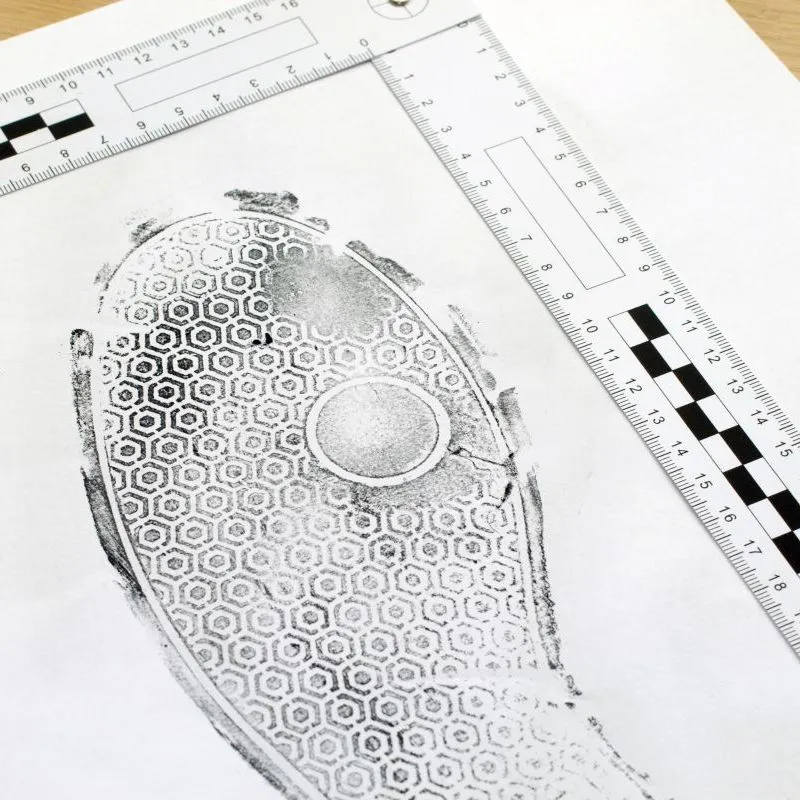




An industrial design invalidity action must be filed before the competent intellectual property court. The plaintiff may be any natural or legal person with a legitimate interest in the cancellation of the design.
Typical plaintiffs include competitors, licensees, distributors, or companies facing infringement allegations based on questionable design registrations.
The lawsuit must include detailed legal arguments explaining why the design does not satisfy the statutory requirements for protection. Plaintiffs must also submit supporting evidence such as earlier design disclosures, product catalogues, patents, or photographs.
Evidence plays a central role in industrial design litigation. Courts frequently rely on expert reports to determine whether the contested design meets the requirements of novelty and individual character.
Experts compare the registered design with prior art and analyze the visual similarities and differences. Their findings often influence the court’s final decision. In many cases, parties submit international design databases, market catalogues, and technical drawings to demonstrate earlier disclosures.
If the court determines that the design fails to satisfy the legal requirements, it will issue a decision declaring the registration invalid. The invalidity decision has retroactive effect, meaning that the design is considered never to have existed as a valid right.
This retroactive effect plays a crucial role in industrial design enforcement disputes. If a design is declared invalid, infringement claims based on that design may also collapse. Consequently, invalidity actions are often used strategically as a defense mechanism in industrial design litigation.

Industrial design invalidity proceedings are closely linked to industrial design enforcement actions. When a design owner accuses a competitor of infringement, the defendant may respond by challenging the validity of the design registration.
This defensive strategy is common in intellectual property disputes across many jurisdictions, including Turkey. If the defendant succeeds in proving industrial design invalidity, the enforcement claim loses its legal foundation.
Turkish courts often hear invalidity and infringement claims together during the same litigation process. This allows the court to evaluate the validity of the design before determining whether infringement has occurred.
For companies facing design infringement allegations, initiating invalidity proceedings can be an effective legal strategy. However, such actions require careful legal analysis and strong evidentiary support.
Industrial design invalidity plays a vital role in maintaining competitive markets and preventing abusive intellectual property claims. Businesses operating in design-driven industries must remain vigilant about questionable registrations that could hinder their commercial activities.
Companies frequently monitor design registries and market developments to identify potentially conflicting designs. When problematic registrations are discovered, legal action may be necessary to protect legitimate commercial interests.
For international companies entering the Turkish market, understanding industrial design law in Turkey is particularly important. Design rights can significantly influence product launches, branding strategies, and manufacturing operations.
Through proactive monitoring and strategic litigation, companies can ensure that invalid design registrations do not create unnecessary legal barriers.

Industrial design disputes often involve complex legal and technical issues. Turkish industrial design lawyers play a crucial role in guiding clients through the invalidity process.
Legal professionals analyze prior art, prepare litigation strategies, and coordinate expert examinations. They also represent clients before intellectual property courts and handle procedural requirements throughout the litigation process.
At Legalixa Law Firm, our Turkish industrial design lawyers have extensive experience in managing industrial design litigation and enforcement disputes. Our team regularly assists multinational companies, designers, manufacturers, and technology firms in protecting their design rights in Turkey.
We provide comprehensive services including legal opinions, invalidity actions, defense strategies, and settlement negotiations. Our multidisciplinary approach ensures that clients receive strategic guidance tailored to their business objectives.
Industrial design disputes in Turkey often involve international elements. Designs may be registered in multiple jurisdictions, and prior disclosures may originate from foreign markets. In such cases, Turkish courts may evaluate international design publications, foreign patent filings, and international product catalogues as evidence.
Companies engaged in cross-border business must therefore consider the global implications of their design strategies. International disclosure of a design may affect novelty and create grounds for industrial design invalidity in Turkey.
Understanding these international dynamics is essential for companies seeking to maintain strong and defensible design portfolios.
Businesses can reduce the risk of invalidity challenges by implementing strong design protection strategies. Before filing an industrial design application, it is advisable to conduct comprehensive prior art searches.
These searches help identify earlier designs that could jeopardize novelty or individual character. Early detection allows applicants to modify design elements or reconsider filing strategies.
Additionally, companies should maintain proper documentation regarding the creation and ownership of designs. Clear contractual arrangements with employees, designers, and contractors help prevent disputes regarding authorship and ownership.
Regular portfolio reviews and monitoring of competitor filings also contribute to effective industrial design enforcement and protection.

Industrial Design Invalidity in Turkey refers to the legal process through which a registered design is declared legally invalid by the courts. This occurs when the design fails to meet the requirements of novelty, individual character, or rightful ownership under industrial design law in Turkey. Once invalidated, the design registration is treated as if it never existed.
Any person or company with a legitimate legal interest may initiate an industrial design invalidity lawsuit. Competitors, manufacturers, distributors, and parties accused of design infringement often challenge design registrations through industrial design litigation. Turkish courts allow such actions when the plaintiff can demonstrate that the contested design violates legal requirements.
The duration of industrial design invalidity proceedings depends on the complexity of the case, the number of expert examinations, and the court’s workload. On average, invalidity cases may take between one and three years in the first instance courts. Appeals may extend the process further. Experienced Turkish industrial design lawyers can help manage the litigation process effectively.
If a court rules in favor of industrial design invalidity, the design registration is cancelled retroactively. This means the design is treated as though it was never legally protected. As a result, ongoing industrial design enforcement actions based on that registration may fail, and competitors are no longer restricted by the invalid design right.
Yes, industrial design invalidity is frequently used as a defense strategy in industrial design litigation. A defendant accused of design infringement may challenge the validity of the registered design. If the court determines that the design should not have been registered, the infringement claim becomes ineffective.
Companies can reduce invalidity risks by conducting prior design searches, ensuring originality in their designs, and maintaining proper documentation of design ownership. Consulting Turkish industrial design lawyers before filing design applications can significantly improve the strength and enforceability of design rights.
For over three decades, Legalixa has stood at the forefront of intellectual property law in Istanbul, helping hundreds of clients secure patents, trademarks, copyrights, and industrial designs with confidence.
Selcuk Akkas, Attorney at Law, Patent & Trademark Attorney & Mediator
Navigating Industrial Design Invalidity in Turkey requires deep knowledge of intellectual property law in Turkey and extensive experience in industrial design litigation. Companies facing design disputes must carefully evaluate their legal options and develop effective strategies to protect their commercial interests.
At Legalixa Law Firm, we assist clients in challenging invalid design registrations, defending against infringement allegations, and ensuring strong design protection across industries.
Our experienced Turkish industrial design lawyers provide comprehensive legal services covering industrial design enforcement, invalidity actions, litigation, and portfolio management. Whether you are seeking to invalidate a conflicting design or defend your design rights in Turkey, our legal team is ready to provide strategic guidance tailored to your business needs. Contact Legalixa Law Firm today to discuss your industrial design matters and safeguard your intellectual property rights.