Address:
Uskudar Icerenkoy Yolu Cad. No:21
Atasehir, Istanbul 34752
TURKIYE
Working Hours:
Monday - Friday: 9:00 - 18:30
Weekends: Closed

Address:
Uskudar Icerenkoy Yolu Cad. No:21
Atasehir, Istanbul 34752
TURKIYE
Working Hours:
Monday - Friday: 9:00 - 18:30
Weekends: Closed

Industrial design enforcement plays a critical role in protecting the visual identity and commercial value of products in modern markets. In industries ranging from consumer electronics and automotive manufacturing to fashion and furniture, product appearance often determines brand recognition and market success.
As a result, businesses operating in Turkey increasingly rely on strong legal mechanisms to safeguard their designs against imitation, unauthorized use, and unfair competition. Effective industrial design enforcement ensures that creators maintain exclusive rights over the aesthetic features of their products while preventing competitors from exploiting their innovations.
Turkey has developed a comprehensive legal framework for the protection and enforcement of industrial designs through its intellectual property legislation. The main governing statute is the Industrial Property Law No. 6769, which regulates the registration, protection, and enforcement of intellectual property rights, including designs.
This framework aligns with international treaties and European Union standards, providing reliable protection for both domestic and foreign rights holders. Within this system, enforcement mechanisms are supported by specialized courts, administrative procedures, and customs authorities.
For companies and designers seeking to protect their innovations, understanding industrial design law in Turkey is essential. Enforcement is not limited to litigation but also includes administrative actions, customs seizures, and preventative strategies designed to deter infringement before it occurs. In practice, businesses often rely on experienced legal professionals who specialize in intellectual property law in Turkey to ensure that their design rights are effectively protected.
At Legalixa Law Firm, our team of Turkish industrial design lawyers has provided strategic guidance and legal representation in design protection matters since 1992. With extensive experience in intellectual property law and international enforcement strategies, we assist clients in protecting their design portfolios, preventing infringement, and pursuing legal remedies through comprehensive industrial design enforcement strategies.
Table of Contents
Industrial design rights in Turkey are primarily governed by the Industrial Property Law No. 6769, which came into force in 2017 and replaced earlier legislation governing patents, trademarks, and designs. This law harmonizes Turkey’s intellectual property regime with international agreements such as the Paris Convention, the Hague Agreement Concerning the International Registration of Industrial Designs, and the TRIPS Agreement.
Under Turkish legislation, an industrial design refers to the appearance of a product or part of a product resulting from features such as lines, contours, colors, shape, texture, or materials. These features must be new and possess individual character to qualify for legal protection. Once registered with TURKPATENT, the design owner receives exclusive rights to use, license, transfer, and enforce the design against unauthorized parties.
The registration of a design grants protection for five years from the filing date, with the possibility of renewal up to a maximum of twenty-five years. During this protection period, the rights holder may initiate industrial design enforcement measures against infringing products that reproduce or imitate the protected design.
The legal system in Turkey also recognizes unregistered design rights under certain circumstances, particularly for designs disclosed to the public within the European Union framework. However, registered designs provide significantly stronger enforcement mechanisms and broader legal remedies.
In the broader context of industrial design protection, enforcement mechanisms ensure that registered rights remain meaningful. Without enforcement, the value of a design registration could be significantly diminished. Therefore, design owners must actively monitor the market and initiate legal action when necessary to prevent unauthorized use.

Strong enforcement of design rights is essential for maintaining fair competition and protecting innovation. In industries where visual appearance influences consumer purchasing decisions, the copying of product designs can quickly undermine brand reputation and erode market share.
Through effective industrial design enforcement, companies can prevent competitors from producing counterfeit or imitative products that closely resemble protected designs. This not only protects the original creator’s investment but also ensures consumer confidence in the authenticity of products available in the marketplace.
In Turkey’s rapidly expanding manufacturing and export sectors, the risk of design infringement has increased significantly. Products produced in various industries, including furniture, electronics, packaging, and automotive components, are frequently targeted by copycat manufacturers. In such cases, enforcement mechanisms become critical tools for protecting business interests.
Legal remedies available under industrial design law in Turkey allow rights holders to take swift action against infringers. These remedies may include injunctions to stop production or sales, seizure of infringing goods, destruction of counterfeit products, and financial compensation for damages. These measures reinforce the importance of proactive industrial design enforcement strategies for companies operating in competitive markets.
Administrative enforcement mechanisms play an important role in protecting design rights in Turkey. These procedures allow rights holders to challenge infringing activities without immediately resorting to lengthy court proceedings.
One important administrative tool involves monitoring the publication of new design applications filed with TURKPATENT. If a newly published design application conflicts with an existing registered design, the rights holder may file an opposition to prevent registration. This early intervention mechanism can prevent potential infringement before it reaches the marketplace.
Another key administrative measure involves customs enforcement. Rights holders may record their registered designs with Turkish customs authorities to prevent the importation of counterfeit or infringing goods. Customs officials can detain suspected products and notify the rights holder, allowing them to initiate legal action against the importer or distributor.
Administrative enforcement is often used as part of a broader strategy that includes monitoring market activity, conducting investigations, and coordinating with regulatory authorities. Experienced Turkish industrial design lawyers frequently assist businesses in implementing these preventative measures to strengthen their overall protection strategy.
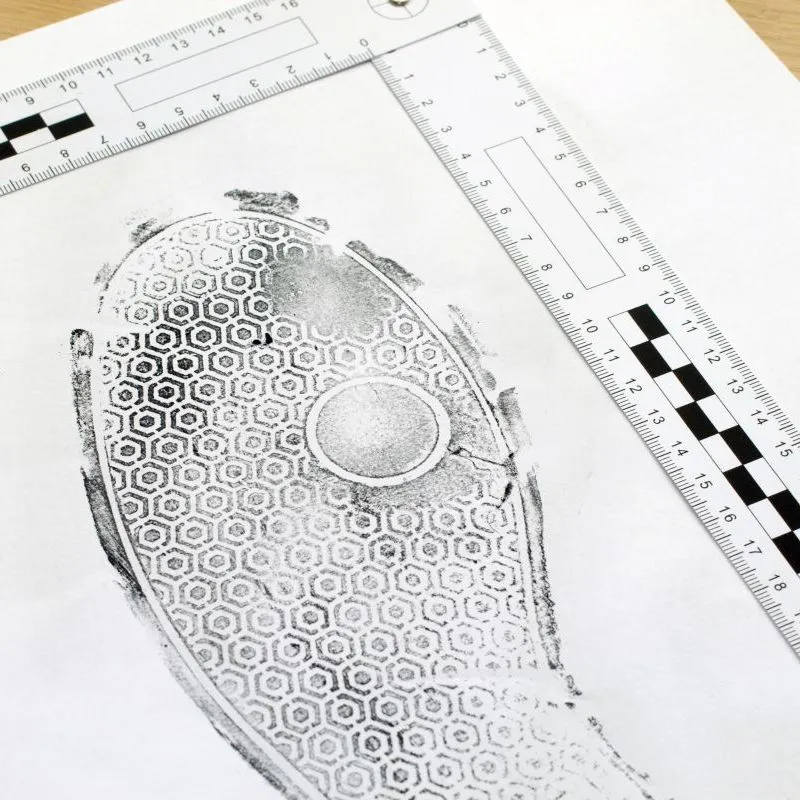




Civil litigation represents one of the most powerful tools available for industrial design enforcement in Turkey. When infringement occurs, the design owner may file a lawsuit before specialized Intellectual Property Courts located in major cities such as Istanbul, Ankara, and Izmir.
These courts handle disputes related to intellectual property rights, including design infringement cases. The court evaluates whether the allegedly infringing product creates the same overall impression as the protected design. Expert witnesses are often appointed to examine the similarities between the designs and provide technical analysis.
Civil litigation under industrial design law in Turkey allows rights holders to seek various legal remedies. Courts may issue preliminary injunctions to stop the production, distribution, or sale of infringing products. These injunctions are particularly important when rapid action is necessary to prevent further damage.
In addition to injunctions, courts may order the seizure and destruction of infringing goods, the confiscation of manufacturing equipment used to produce counterfeit products, and financial compensation for damages. Compensation may include lost profits, unfair gains obtained by the infringer, or statutory damages determined by the court.
In complex cases, industrial design litigation may also involve claims based on unfair competition under the Turkish Commercial Code. This provides an additional legal basis for enforcement when design infringement overlaps with deceptive commercial practices.
In certain circumstances, infringement of design rights may also give rise to criminal liability under Turkish law. Criminal enforcement mechanisms are particularly relevant in cases involving large-scale counterfeiting operations or deliberate commercial exploitation of protected designs.
Prosecutors may initiate investigations following complaints filed by the design owner. Law enforcement authorities can conduct raids, seize counterfeit products, and collect evidence related to the infringement. Criminal penalties may include fines, imprisonment, and confiscation of goods.
Criminal enforcement serves as a strong deterrent against organized counterfeiting activities. In many cases, the combination of civil and criminal actions creates a comprehensive enforcement strategy capable of stopping infringement and discouraging future violations.
Because criminal proceedings require careful preparation and evidence collection, rights holders often rely on specialized Turkish industrial design lawyers to coordinate investigations, prepare legal complaints, and represent their interests throughout the process.
Customs enforcement represents another essential component of industrial design protection in Turkey. The Turkish customs system allows intellectual property rights holders to record their registered designs with customs authorities to monitor imports and exports.
Once a design is recorded, customs officials may suspend the release of goods suspected of infringing the registered design. The rights holder is then notified and given an opportunity to initiate legal proceedings against the importer or distributor.
Border protection measures are particularly valuable for companies involved in international trade. Counterfeit products are often manufactured in one country and distributed through multiple jurisdictions. By using customs enforcement mechanisms, rights holders can intercept infringing goods before they reach the domestic market.
In practice, successful customs enforcement often depends on close cooperation between rights holders, legal advisors, and customs officials. Experienced lawyers specializing in intellectual property law in Turkey can assist companies in registering their designs with customs authorities and coordinating enforcement actions when suspected infringements occur.
While legal remedies are important, proactive strategies are equally critical for protecting design rights. Businesses should adopt comprehensive enforcement programs that include monitoring the marketplace, tracking competitor activity, and conducting periodic audits of design portfolios.
Monitoring newly published applications at TURKPATENT allows companies to detect potential conflicts early. This enables them to file oppositions against similar design applications before registration occurs.
Another effective strategy involves maintaining clear documentation of design creation, registration certificates, and licensing agreements. These records provide valuable evidence in infringement proceedings and strengthen the rights holder’s legal position.
Companies should also consider implementing contractual protections with manufacturers, distributors, and partners. Non-disclosure agreements and licensing contracts can help prevent unauthorized use of designs and establish clear legal responsibilities.
When preventative measures are combined with strong enforcement mechanisms, businesses can significantly reduce the risk of infringement and maintain control over their design assets.

The enforcement of design rights often involves complex legal and technical issues. Determining whether a product infringes a protected design requires careful comparison of visual elements and consideration of the overall impression created by the product.
For this reason, many companies rely on experienced Turkish industrial design lawyers who specialize in intellectual property law. These professionals assist clients in developing enforcement strategies, conducting investigations, and representing them in administrative and judicial proceedings.
Legal advisors also play an important role in coordinating cross-border enforcement actions. Because design infringement frequently occurs in international supply chains, enforcement strategies may involve multiple jurisdictions and international cooperation.
At Legalixa Law Firm, our intellectual property team provides comprehensive support in all aspects of industrial design enforcement. Our services include monitoring design registrations, filing oppositions, initiating litigation, coordinating customs actions, and advising clients on preventative strategies.
Turkey’s intellectual property system operates within a broader international framework. As a member of major intellectual property treaties, Turkey recognizes design rights registered under international systems such as the Hague Agreement.
This international alignment allows foreign companies to enforce their design rights in Turkey and enables Turkish businesses to protect their designs abroad. Cross-border enforcement has become increasingly important as global trade expands and supply chains become more interconnected.
Companies operating internationally must ensure that their designs are registered in relevant jurisdictions and supported by effective enforcement strategies. Coordination between legal teams in different countries is often necessary to combat infringement across multiple markets.
Within this international environment, effective industrial design enforcement ensures that innovators can maintain their competitive advantage while protecting their creative investments.

Industrial design enforcement refers to the legal and administrative measures used to protect registered design rights against unauthorized use or imitation. These measures may include civil lawsuits, customs actions, administrative procedures, and criminal investigations. Through effective enforcement mechanisms under industrial design law in Turkey, rights holders can prevent competitors from copying or exploiting their protected designs.
A design owner may initiate industrial design enforcement by filing a lawsuit before specialized Intellectual Property Courts or by submitting complaints to administrative authorities such as customs officials. Legal action typically begins with evidence gathering, market investigations, and the preparation of legal filings demonstrating that the infringing product creates the same overall impression as the protected design.
In industrial design litigation, courts may grant several remedies to the rights holder. These include preliminary injunctions stopping production or sales, seizure and destruction of infringing goods, financial compensation for damages, and publication of the court decision. These remedies aim to restore the rights holder’s commercial position and deter future infringement.
Yes. Customs authorities in Turkey play an important role in industrial design enforcement by monitoring imports and exports of suspected counterfeit goods. When a design is recorded with customs authorities, officials may detain goods suspected of infringing the registered design and notify the rights holder so that legal action can be initiated.
Strong industrial design protection ensures that companies maintain exclusive rights over the visual appearance of their products. This protection encourages innovation, strengthens brand recognition, and prevents unfair competition. Without effective enforcement mechanisms, competitors could easily replicate successful product designs and undermine the original creator’s investment.
Yes. Foreign companies can benefit from industrial design enforcement mechanisms in Turkey if their designs are registered nationally or internationally under systems recognized by Turkish law. The legal framework allows both domestic and international rights holders to protect their designs through administrative actions, customs enforcement, and court proceedings.
For over three decades, Legalixa has stood at the forefront of intellectual property law in Istanbul, helping hundreds of clients secure patents, trademarks, copyrights, and industrial designs with confidence.
Selcuk Akkas, Attorney at Law, Patent & Trademark Attorney & Mediator
Protecting innovative product designs requires not only registration but also effective enforcement strategies. At Legalixa Law Firm, we provide comprehensive legal services for businesses seeking reliable industrial design enforcement in Turkey. Our experienced intellectual property team advises clients on design registration, monitoring programs, enforcement strategies, and litigation proceedings. With more than three decades of experience in intellectual property law in Turkey, we have successfully represented domestic and international clients in complex design disputes.
If you believe your design rights have been infringed or wish to implement preventative protection strategies, our Turkish industrial design lawyers are ready to assist. We work closely with clients to investigate infringement, initiate enforcement proceedings, and secure legal remedies that protect their innovations and commercial interests. Contact Legalixa Law Firm today to safeguard your design rights and ensure strong industrial design protection in Turkey.