Address:
Uskudar Icerenkoy Yolu Cad. No:21
Atasehir, Istanbul 34752
TURKIYE
Working Hours:
Monday - Friday: 9:00 - 18:30
Weekends: Closed

Address:
Uskudar Icerenkoy Yolu Cad. No:21
Atasehir, Istanbul 34752
TURKIYE
Working Hours:
Monday - Friday: 9:00 - 18:30
Weekends: Closed

Industrial design licensing has become an increasingly strategic tool for businesses seeking to monetize their creative assets, expand market reach, and establish competitive advantages in global markets.
In Turkey, where innovation and product design continue to play a critical role in industries such as consumer electronics, automotive manufacturing, fashion, furniture, and industrial equipment, licensing agreements allow companies to commercialize protected designs without relinquishing ownership. Through carefully structured licensing arrangements, design owners can generate revenue streams while enabling third parties to manufacture, distribute, or market products based on protected industrial designs.
Under the framework of intellectual property law in Turkey, industrial designs are protected by legislation that ensures creators and rights holders maintain exclusive rights over the visual appearance of their products. These protections include the shape, configuration, ornamentation, and aesthetic aspects of industrial products.
Businesses that hold registered designs often choose to leverage those assets through industrial design licensing, allowing partners or affiliates to legally use the design under defined conditions. Such arrangements are particularly common in international collaborations, franchising strategies, and technology transfer agreements.
Turkey’s legal system offers robust mechanisms for protecting and enforcing design rights. Industrial designs registered before the Turkish Patent and Trademark Office (TURKPATENT) provide enforceable legal protection, enabling owners to license their rights to third parties while maintaining control over how the design is used.
At Legalixa Law Firm in Istanbul, our experienced team of Turkish industrial design lawyers assists clients with structuring, negotiating, and enforcing licensing agreements that comply with industrial design law in Turkey while maximizing commercial opportunities.
Table of Contents
Industrial design licensing refers to a contractual arrangement in which the owner of a registered industrial design grants another party the right to use, manufacture, sell, or distribute products incorporating that design under specific conditions. Unlike assignment agreements that permanently transfer ownership, licensing allows the design owner to retain legal title while permitting controlled exploitation by licensees.
In the context of industrial design law in Turkey, licensing agreements are recognized as valid legal instruments provided they comply with the applicable provisions of the Industrial Property Code. These agreements must clearly define the scope of rights granted, the duration of the license, the geographic territory, royalty arrangements, and limitations on use. Once concluded, licensing agreements may be recorded with TURKPATENT, which enhances enforceability against third parties and ensures transparency in the design registry.
Many companies use industrial design licensing as part of a broader intellectual property commercialization strategy. For example, a company that develops a successful product design may license manufacturing rights to local distributors in different countries while retaining centralized ownership of the design itself. This approach enables global expansion without requiring large-scale capital investment in manufacturing infrastructure.
The Turkish legal framework strongly supports these arrangements, particularly as the country continues to position itself as a hub for innovation and design-driven industries. Through proper legal structuring, licensing agreements can protect both licensors and licensees while fostering collaboration and market expansion.

The legal basis for industrial design licensing in Turkey is established under the Industrial Property Code, which governs patents, trademarks, industrial designs, and other forms of intellectual property. Within this framework, industrial design rights grant their owners exclusive authority to prevent unauthorized production, marketing, or distribution of products incorporating protected designs.
Licensing agreements function as an exception to this exclusivity. The design owner voluntarily authorizes another party to use the design under specified contractual terms. However, to ensure legal certainty, such agreements must align with the requirements of industrial design law in Turkey, including provisions related to ownership rights, scope of protection, and enforcement mechanisms.
A properly drafted licensing agreement typically includes clauses addressing royalty payments, territorial limitations, sublicensing rights, confidentiality obligations, quality control standards, and dispute resolution procedures. When these agreements are recorded with TURKPATENT, they become publicly recognized transactions affecting the rights associated with the registered design.
Recording the license also strengthens the position of the licensee. If a dispute arises regarding unauthorized use or infringement, the registered license agreement can serve as evidence of the licensee’s legitimate rights to exploit the design within the specified scope.
When structuring industrial design licensing arrangements, several critical legal and commercial elements must be carefully considered. The licensing agreement must clearly identify the parties involved, including the design owner (licensor) and the authorized user (licensee). It must also precisely define the industrial design being licensed by referencing the registration number issued by TURKPATENT.
Another essential component is the scope of the license. Agreements may grant exclusive rights, meaning only one licensee can use the design within a defined territory or market segment. Alternatively, non-exclusive licenses allow multiple parties to use the same design simultaneously. The choice between these options depends largely on the licensor’s commercialization strategy and the market structure involved.
Royalty structures are also central to industrial design licensing arrangements. Licensors may receive fixed payments, percentage-based royalties derived from product sales, or hybrid compensation models. In many cases, agreements also include minimum royalty guarantees to ensure that licensees actively exploit the design rather than merely reserving rights without commercial activity.
Quality control provisions are equally important. Because licensed products carry the visual identity of the original design owner, licensors often require strict quality standards to maintain brand reputation and consumer trust. Turkish courts generally recognize these provisions as legitimate contractual safeguards.
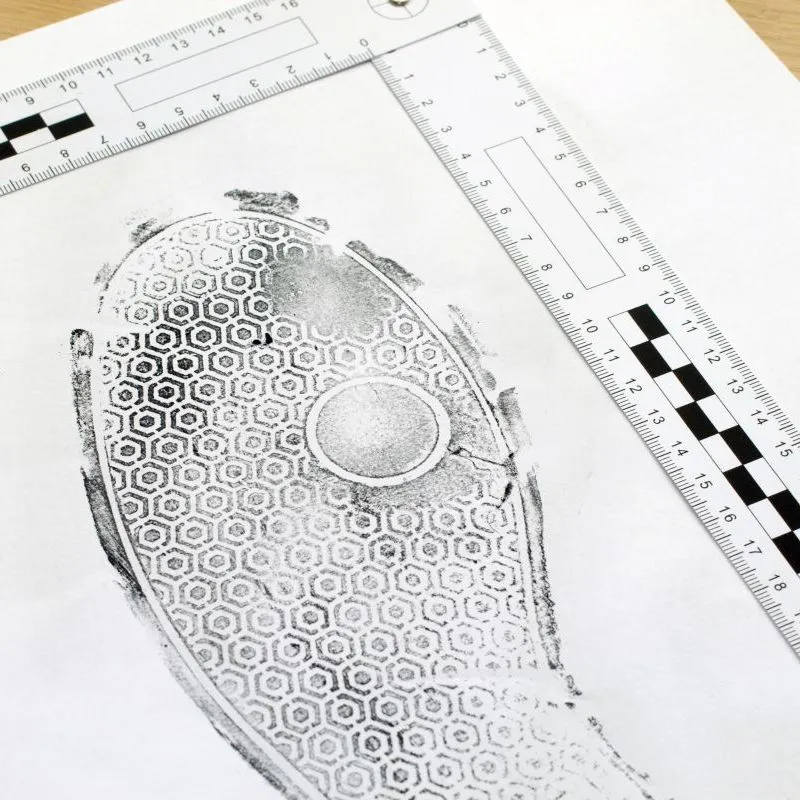




Businesses frequently turn to industrial design licensing in Turkey as a means of expanding market presence while reducing operational risks. For design owners, licensing creates new revenue streams without requiring direct manufacturing or distribution activities. This model is particularly beneficial for companies that focus on innovation and product development rather than large-scale production.
Licensees also benefit from these arrangements by gaining access to established designs that already possess market recognition or aesthetic appeal. Instead of investing time and resources into developing new product designs, licensees can introduce licensed products more quickly and with reduced development costs.
Within the broader context of intellectual property law in Turkey, licensing is widely regarded as a practical mechanism for transferring technology, promoting collaboration between businesses, and encouraging innovation across industries. By allowing design owners to monetize their intellectual property while maintaining ownership, licensing contributes to a dynamic and competitive marketplace.
Furthermore, licensing agreements can facilitate international partnerships. Many foreign companies seeking to enter the Turkish market rely on local manufacturers or distributors through licensing arrangements. These agreements ensure compliance with Turkish legal requirements while enabling foreign design owners to protect their rights within the Turkish jurisdiction.
Although licensing agreements are legally valid once signed, recording them with TURKPATENT provides significant practical advantages. Registration ensures that the existence of the license becomes publicly visible within the industrial design registry, which can prevent disputes regarding unauthorized use or competing rights.
Recording also protects licensees against potential conflicts involving subsequent design assignments or competing licenses. If the design owner transfers ownership of the design to another entity, the recorded license remains valid and enforceable.
Under industrial design law in Turkey, the recordal process generally involves submitting the signed licensing agreement or an extract containing essential terms. TURKPATENT then reviews the application and records the license in the official registry. This administrative step strengthens the legal standing of the licensing arrangement.

The enforcement of licensed industrial design rights is another important consideration within industrial design licensing arrangements. Turkish law allows both licensors and licensees to take legal action against infringers under certain circumstances.
In many cases, the licensing agreement specifies whether the licensee has independent authority to initiate legal proceedings against infringers. Some agreements require the licensor’s consent before legal action can be taken, while others grant licensees the right to enforce the design directly.
Effective enforcement strategies may include cease-and-desist notices, civil litigation, and customs enforcement measures aimed at preventing counterfeit products from entering the Turkish market. Because design infringement can significantly undermine the value of licensed rights, robust enforcement mechanisms are essential for protecting both parties involved in the licensing relationship.

As Turkey continues to integrate with global trade networks, industrial design licensing in Turkey increasingly involves cross-border transactions. International companies often license their industrial designs to Turkish manufacturers or distributors in order to access regional markets.
In these cases, licensing agreements must address issues such as jurisdiction, governing law, currency for royalty payments, and compliance with international intellectual property treaties. The involvement of experienced Turkish industrial design lawyers is particularly valuable in these scenarios, as cross-border licensing arrangements frequently require coordination between multiple legal systems.
Turkey’s alignment with international intellectual property standards ensures that licensed design rights receive strong legal protection. The country is a party to several international agreements that support the recognition and enforcement of design rights, making it an attractive destination for design licensing and commercialization strategies.
Companies considering industrial design licensing should carefully evaluate their strategic objectives before entering into licensing agreements. Licensing can serve different purposes depending on the company’s business model. For some organizations, licensing represents a primary revenue stream derived from intellectual property assets. For others, it functions as a complementary strategy that supports product distribution or brand expansion.
Market analysis, partner selection, and risk assessment all play important roles in developing a successful licensing strategy. Selecting reliable licensees with strong manufacturing capabilities and distribution networks can significantly enhance the commercial success of licensed designs.
Legal clarity is equally important. Licensing agreements should be drafted with precision to avoid ambiguities regarding the rights and obligations of each party. Experienced legal counsel can ensure that contracts comply with industrial design law in Turkey and adequately protect the interests of both licensors and licensees.

Industrial design licensing in Turkey is a legal arrangement that allows the owner of a registered industrial design to grant another party the right to use, manufacture, or sell products incorporating that design. Under Turkish law, the design owner retains ownership while the licensee receives limited rights to exploit the design commercially according to the terms of the agreement.
While industrial design licensing agreements are legally valid once signed, recording them with TURKPATENT is strongly recommended. Recordal ensures that the license becomes publicly recognized and enforceable against third parties, which can be important if disputes arise regarding design ownership or infringement.
In many cases, licensees may enforce rights granted through industrial design licensing agreements. However, the licensing contract must specify whether the licensee has the authority to initiate legal proceedings against infringers. Clear contractual language is essential to avoid disputes regarding enforcement rights.
Industrial design licensing arrangements may be exclusive, non-exclusive, or sole licenses. Exclusive licenses grant rights to only one licensee, while non-exclusive licenses allow multiple licensees to use the design simultaneously. The structure of the agreement depends on the commercial objectives of the design owner.
The duration of industrial design licensing agreements depends on the terms negotiated by the parties. However, the license cannot extend beyond the validity period of the underlying industrial design registration, which may last up to twenty-five years under Turkish law if renewal requirements are satisfied.
Because industrial design licensing involves both intellectual property rights and complex contractual obligations, consulting experienced Turkish industrial design lawyers is essential. Legal professionals can ensure that licensing agreements comply with intellectual property law in Turkey, protect the interests of both parties, and reduce the risk of disputes.
For over three decades, Legalixa has stood at the forefront of intellectual property law in Istanbul, helping hundreds of clients secure patents, trademarks, copyrights, and industrial designs with confidence.
Selcuk Akkas, Attorney at Law, Patent & Trademark Attorney & Mediator
Legalixa Law Firm in Istanbul provides comprehensive legal services related to industrial design licensing, intellectual property protection, and commercial transactions involving design rights. With decades of experience in intellectual property law in Turkey, our firm assists clients with drafting, negotiating, and enforcing licensing agreements that protect their valuable design assets while enabling profitable business collaborations.
Our team of highly experienced Turkish industrial design lawyers works closely with international companies, manufacturers, designers, and investors to develop strategic licensing structures that comply with industrial design law in Turkey and maximize the commercial value of registered designs.
Whether you are seeking to license your industrial design to partners or obtain rights to manufacture innovative products in Turkey, contact Legalixa Law Firm for tailored legal solutions designed to safeguard your interests and support long-term success.