Address:
Uskudar Icerenkoy Yolu Cad. No:21
Atasehir, Istanbul 34752
TURKIYE
Working Hours:
Monday - Friday: 9:00 - 18:30
Weekends: Closed

Address:
Uskudar Icerenkoy Yolu Cad. No:21
Atasehir, Istanbul 34752
TURKIYE
Working Hours:
Monday - Friday: 9:00 - 18:30
Weekends: Closed

Industrial design infringement is one of the most significant challenges facing companies, designers, and manufacturers operating in competitive markets. In Turkey, protecting the visual appearance of products—such as shapes, patterns, lines, contours, and ornamentation—is a central component of intellectual property law in Turkey. When a protected design is copied or imitated without authorization, the design owner may pursue legal remedies through administrative procedures, customs enforcement, and court actions.
At Legalixa Law Firm, a leading law firm based in Istanbul, Turkey, we have been advising international and domestic clients on intellectual property law in Turkey since 1992. Our Turkish industrial design lawyers regularly assist businesses with registration, portfolio management, monitoring, and dispute resolution involving industrial design infringement. Through strategic legal advice and representation in industrial design litigation, we help clients safeguard the commercial value of their creative designs and maintain a competitive advantage in the marketplace.
Industrial design law in Turkey is governed primarily by the Industrial Property Law No. 6769, which provides a comprehensive framework for protecting registered industrial designs and enforcing rights against unauthorized use. Under this legal regime, design owners may initiate enforcement actions against infringing parties and pursue remedies such as injunctions, compensation, and the seizure of infringing goods.
Table of Contents
Industrial design law in Turkey protects the aesthetic aspects of a product that make it visually distinctive. The law focuses on the appearance of a product rather than its technical functionality. This means that the external characteristics of a product—such as shape, surface decoration, colors, or materials—may qualify for legal protection if they meet the required criteria.
The legal framework for design protection is administered by the Turkish Patent and Trademark Office (TURKPATENT). Through the design registration system managed by TURKPATENT, creators and companies can obtain exclusive rights to use their designs within Turkey.
A registered design grants the owner exclusive rights to prevent unauthorized production, sale, importation, and distribution of products that incorporate the protected design. When a third party reproduces or imitates a design without permission, this may constitute industrial design infringement under Turkish law.
In practice, industrial design infringement frequently arises in industries such as fashion, furniture, consumer electronics, automotive components, packaging, and home appliances. Because many of these sectors rely heavily on product aesthetics to attract consumers, design copying can cause significant economic damage.

Industrial design infringement occurs when a third party produces, sells, imports, or otherwise commercially exploits a product that creates the same overall impression as a protected design without the consent of the design owner.
Under industrial design law in Turkey, the determination of infringement is based on the overall visual impression created by the design when viewed by an informed user. Courts evaluate whether the alleged infringing product produces a similar aesthetic effect compared to the registered design.
Several activities may constitute industrial design infringement under Turkish law. These include manufacturing products incorporating a protected design, offering such products for sale, importing infringing goods into Turkey, exporting infringing products, or storing them for commercial purposes.
Even minor differences between the designs may not prevent a finding of infringement if the overall impression remains substantially similar. As a result, companies must carefully assess design clearance before launching new products in the market.
Turkish courts consider various factors when determining whether industrial design infringement has occurred. These factors include the degree of design freedom available to the designer, the level of similarity between the designs, and the perspective of the informed user.
The primary legal source regulating industrial design infringement in Turkey is the Industrial Property Law No. 6769, which entered into force in 2017. This law modernized Turkey’s intellectual property system and aligned it more closely with European Union standards.
The legislation provides design owners with strong enforcement mechanisms to combat unauthorized use of protected designs. Rights holders may initiate civil court proceedings to stop infringing activities and recover damages.
Industrial design law in Turkey also includes provisions related to administrative challenges such as industrial design invalidity and industrial design cancellation actions. These mechanisms allow interested parties to challenge the validity of registered designs before TURKPATENT or through court proceedings.
In addition to national legislation, Turkey is a party to international agreements governing design protection. These agreements facilitate cross-border protection of industrial designs and strengthen enforcement mechanisms against infringement.
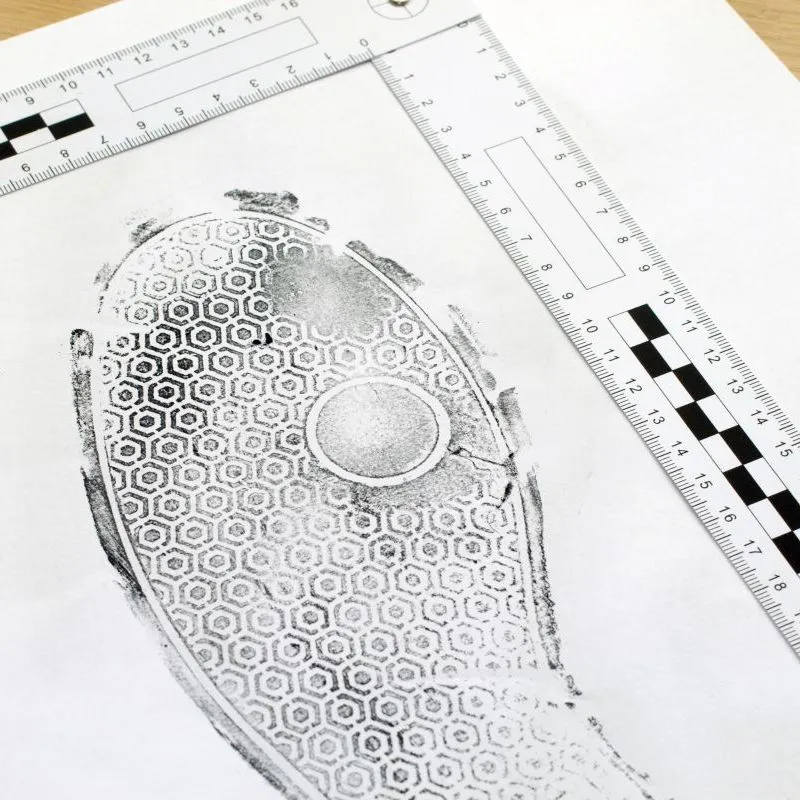




Detecting industrial design infringement often requires careful monitoring of the marketplace and product distribution channels. Companies frequently discover infringement through competitor product launches, trade fairs, online marketplaces, or retail stores.
Many businesses rely on professional monitoring services to identify potential infringement risks early. These services track new product releases, design registrations, and commercial activities that may affect a company’s design portfolio.
Once a potentially infringing product is identified, legal counsel typically conducts a detailed comparison between the registered design and the suspected infringing product. This analysis focuses on whether the two designs produce a similar overall impression.
Experienced Turkish industrial design lawyers play a crucial role in evaluating infringement claims and determining the most effective enforcement strategy.
Industrial design enforcement in Turkey involves several legal mechanisms designed to protect the rights of design owners. Enforcement may take place through civil courts, customs authorities, and administrative proceedings.
Civil litigation is the most common route for addressing industrial design infringement. Design owners may file lawsuits before specialized intellectual property courts to seek injunctive relief and financial compensation.
In many cases, courts may issue preliminary injunctions to prevent further production or distribution of infringing products while the case is pending. These interim measures are particularly important when infringing goods are rapidly entering the market.
Industrial design enforcement also includes customs actions. Design owners may request customs authorities to detain goods suspected of violating registered design rights. This procedure helps prevent counterfeit or infringing products from entering the Turkish market.

Industrial design litigation plays a critical role in protecting design rights and resolving disputes between competitors. When negotiations or warning letters fail to resolve a dispute, design owners may pursue legal action through specialized intellectual property courts.
Industrial design litigation cases typically involve claims for injunctions, damages, and the destruction of infringing goods. Courts may also order the publication of the judgment to inform the public about the infringement.
The litigation process usually begins with the filing of a complaint outlining the alleged infringement. The court may appoint technical experts to evaluate the designs and determine whether infringement has occurred.
Expert reports often play a decisive role in industrial design litigation. These reports assess the visual similarities between the designs and analyze whether the overall impression is substantially the same.

Disputes involving industrial design infringement sometimes involve challenges to the validity of the registered design itself. Defendants in infringement cases may argue that the design should not have been registered in the first place.
Industrial design invalidity actions aim to invalidate a registered design if it fails to meet the legal requirements of novelty or individual character. If the court determines that the design lacks these elements, the registration may be declared invalid.
Industrial design cancellation procedures may also arise when a design registration violates legal rules or conflicts with prior rights. These actions may be filed before TURKPATENT or through the courts.
Invalidity and cancellation proceedings often occur alongside infringement lawsuits, creating complex legal disputes that require specialized expertise in intellectual property law in Turkey.
Prevention is often the most effective strategy for reducing the risk of industrial design infringement. Companies should implement proactive measures to protect their designs and minimize exposure to infringement claims.
The first step involves registering industrial designs with TURKPATENT as early as possible. Registration provides legal certainty and strengthens the ability to enforce rights against unauthorized users.
Businesses should also conduct design clearance searches before launching new products. These searches help identify existing design registrations that could pose infringement risks.
Another important preventive strategy is continuous portfolio monitoring. By tracking competitor activity and new design filings, companies can detect potential infringement at an early stage.

Navigating disputes involving industrial design infringement requires specialized legal knowledge and strategic planning. Turkish industrial design lawyers assist clients throughout the entire lifecycle of design protection, from registration to enforcement.
Legal professionals evaluate the strength of design rights, analyze potential infringement scenarios, and develop enforcement strategies tailored to each case. In complex disputes, lawyers also coordinate technical expert reports and litigation strategies.
Experienced counsel is particularly valuable when disputes involve international companies, cross-border manufacturing, or multiple jurisdictions. In such situations, legal teams must coordinate enforcement actions across different legal systems.
At Legalixa Law Firm, our attorneys combine extensive experience in industrial design law in Turkey with practical business insight. We regularly represent clients in negotiations, enforcement proceedings, and industrial design litigation before Turkish courts.
Industrial design infringement can have significant financial consequences for businesses that invest in innovative product design. Copying undermines brand reputation, reduces market share, and weakens consumer trust.
Design-driven industries depend heavily on visual identity to differentiate products from competitors. When infringing products enter the market, consumers may struggle to distinguish genuine products from imitations.
The economic harm caused by industrial design infringement often extends beyond direct sales losses. Companies may also face reputational damage if inferior counterfeit products are mistaken for genuine items.
Effective industrial design enforcement helps maintain fair competition and encourages innovation by ensuring that creators receive the benefits of their original work.
Turkey plays an important role in global manufacturing and trade, which means that industrial design infringement disputes often involve international parties. Many companies operating in Turkey export products to global markets or import goods from overseas suppliers.
Because of these cross-border dynamics, design owners must consider international protection strategies alongside domestic registration. Coordinating protection across multiple jurisdictions helps reduce the risk of infringement in foreign markets.
International cooperation between customs authorities, courts, and intellectual property offices strengthens enforcement mechanisms and allows rights holders to combat infringement more effectively.

Industrial design infringement occurs when a third party uses a registered design without authorization in a way that produces a similar overall visual impression. Under industrial design law in Turkey, this may include manufacturing, selling, importing, or distributing products incorporating the protected design.
If a design owner believes that industrial design infringement has occurred, they may initiate legal proceedings to stop the infringing activity and seek compensation for damages.
To prove industrial design infringement, the design owner must demonstrate that the alleged infringing product creates the same overall impression as the registered design when viewed by an informed user. Courts typically rely on expert analysis and visual comparison to determine whether infringement has occurred.
Evidence may include product samples, photographs, market surveys, and expert reports evaluating the similarities between the designs.
Industrial design litigation in Turkey allows rights holders to pursue several remedies against infringers. Courts may issue injunctions to stop the infringing activities, order the seizure or destruction of infringing goods, and award financial compensation for damages.
In some cases, courts may also require the infringer to publish the judgment in newspapers or online platforms to inform the public about the infringement.
Yes. Defendants accused of industrial design infringement may challenge the validity of the design registration by filing industrial design invalidity claims. If the design lacks novelty or individual character, the court may declare the registration invalid.
Invalidity proceedings often occur alongside infringement lawsuits, and the outcome of these actions can significantly influence the final decision in the dispute.
Industrial design enforcement involves various legal mechanisms, including civil litigation, customs enforcement, and administrative procedures. Design owners may request preliminary injunctions to stop infringing activities and work with customs authorities to block infringing goods at the border.
Effective enforcement strategies often combine multiple legal tools to achieve the best outcome for the rights holder.
Industrial design infringement disputes involve complex legal and technical issues. Turkish industrial design lawyers provide strategic advice on registration, enforcement, and litigation strategies.
Professional legal assistance ensures that companies protect their design rights effectively while minimizing the risk of costly legal disputes.
For over three decades, Legalixa has stood at the forefront of intellectual property law in Istanbul, helping hundreds of clients secure patents, trademarks, copyrights, and industrial designs with confidence.
Selcuk Akkas, Attorney at Law, Patent & Trademark Attorney & Mediator
If your company is facing challenges related to industrial design infringement in Turkey, obtaining experienced legal guidance is essential. Legalixa Law Firm, based in Istanbul, Turkey, provides comprehensive legal services covering every aspect of intellectual property law in Turkey.
Our team assists clients with design registration, portfolio management, enforcement strategies, and complex industrial design litigation before Turkish courts. With decades of experience representing domestic and international businesses, we understand the commercial importance of protecting innovative product designs.
Our Turkish industrial design lawyers work closely with clients to identify infringement risks, implement enforcement strategies, and pursue effective legal remedies. Whether your business requires assistance with monitoring competitors, initiating industrial design enforcement actions, or defending against industrial design invalidity and industrial design cancellation claims, our firm offers strategic and results-oriented legal support. Contact Legalixa Law Firm today to discuss how we can help safeguard your valuable industrial design rights in Turkey.