Address:
Uskudar Icerenkoy Yolu Cad. No:21
Atasehir, Istanbul 34752
TURKIYE
Working Hours:
Monday - Friday: 9:00 - 18:30
Weekends: Closed

Address:
Uskudar Icerenkoy Yolu Cad. No:21
Atasehir, Istanbul 34752
TURKIYE
Working Hours:
Monday - Friday: 9:00 - 18:30
Weekends: Closed

Industrial design anti-counterfeiting has become an increasingly critical issue for companies operating in Turkey. As manufacturing technology becomes more accessible and supply chains become more complex, counterfeit products that imitate original designs appear more frequently across industries such as consumer electronics, automotive components, fashion accessories, furniture, and household products.
Businesses investing significant resources in product design and branding must take proactive measures to protect their intellectual property assets. In Turkey, a well-developed legal framework combined with strong enforcement mechanisms provides effective tools for combating counterfeiting that targets protected industrial designs.
Within the broader scope of intellectual property law in Turkey, industrial design rights protect the visual appearance of products, including shapes, patterns, lines, colors, and textures. Once registered with the Turkish Patent and Trademark Office (TURKPATENT), an industrial design owner acquires exclusive rights to use, license, and prevent unauthorized use of the design.
These exclusive rights form the legal foundation for effective industrial design anti-counterfeiting strategies. Companies operating in Turkey or entering the Turkish market must understand the available legal remedies, monitoring systems, and enforcement procedures to protect their products from imitation and unlawful reproduction.
At Legalixa Law Firm, we have advised domestic and international clients on complex intellectual property matters since 1992. Our experienced Turkish industrial design lawyers provide comprehensive services covering industrial design registration, industrial design monitoring, enforcement actions, litigation, and anti-counterfeiting strategies. Through proactive protection measures and rapid legal intervention, businesses can effectively safeguard their creative assets and maintain their competitive advantage in the Turkish marketplace.
Table of Contents
Industrial design anti-counterfeiting in Turkey is governed primarily by the Industrial Property Law No. 6769, which entered into force in 2017. This legislation modernized the country’s intellectual property system and aligned it more closely with European Union standards. The law regulates the protection, enforcement, and management of industrial design rights, providing legal mechanisms that enable design owners to combat counterfeit products effectively.
Under industrial design law in Turkey, an industrial design is defined as the appearance of a product or its part resulting from features such as lines, contours, colors, shape, texture, or materials. Protection is granted through registration before TURKPATENT. Once registered, a design enjoys protection for an initial period of five years, which may be renewed up to a maximum of twenty-five years.
This legal protection forms the cornerstone of industrial design anti-counterfeiting efforts. When a registered design is unlawfully reproduced or imitated, the rights holder may initiate administrative, civil, and criminal actions to stop infringement and recover damages. The Turkish legal system offers strong remedies, including preliminary injunctions, product seizures, destruction of counterfeit goods, and financial compensation.

Industrial designs represent the visual identity of a product. Consumers often recognize and select products based on distinctive design features rather than purely technical characteristics. Because of this commercial value, counterfeit manufacturers frequently attempt to replicate successful product designs to benefit from existing market recognition.
Counterfeit goods often mimic the appearance of original products while using inferior materials and manufacturing processes. These imitation products not only undermine legitimate businesses but also create reputational risks for brand owners and safety concerns for consumers. In sectors such as electronics, automotive components, and medical devices, counterfeit designs can pose significant health and safety hazards.
Industrial design anti-counterfeiting measures are therefore essential not only for protecting intellectual property rights but also for maintaining product quality, consumer trust, and brand integrity.
One of the most effective preventive measures against counterfeiting is securing industrial design registration with TURKPATENT. Without proper registration, enforcement options become significantly more limited. Registration creates a legally recognized right that can be enforced against infringers in courts and administrative authorities.
Through the industrial design registration process, applicants submit representations of the design, identify the relevant product categories, and undergo examination procedures conducted by TURKPATENT. Once registration is granted, the design owner obtains exclusive rights to produce, sell, import, or license products incorporating that design.
Industrial design anti-counterfeiting strategies often begin with comprehensive design portfolio management. Businesses that regularly develop new products should ensure that their designs are systematically identified, documented, and registered. This proactive approach significantly strengthens enforcement capabilities when counterfeit products appear in the market.

Industrial design monitoring plays a crucial role in effective anti-counterfeiting strategies. Monitoring systems enable rights holders to detect potential infringements early and respond quickly before counterfeit products gain widespread distribution.
Industrial design monitoring involves reviewing newly published industrial design applications, monitoring online marketplaces, analyzing retail markets, and tracking import and export activities. Many counterfeit products are distributed through e-commerce platforms or cross-border trade channels, making monitoring essential for early detection.
Through professional monitoring programs, Turkish industrial design lawyers can identify potentially infringing designs filed before TURKPATENT or products entering the Turkish market that replicate protected designs. Early identification allows rights holders to file oppositions, request invalidation, or initiate enforcement actions before counterfeit products reach consumers.
Effective industrial design anti-counterfeiting therefore relies heavily on continuous monitoring and strategic market surveillance.
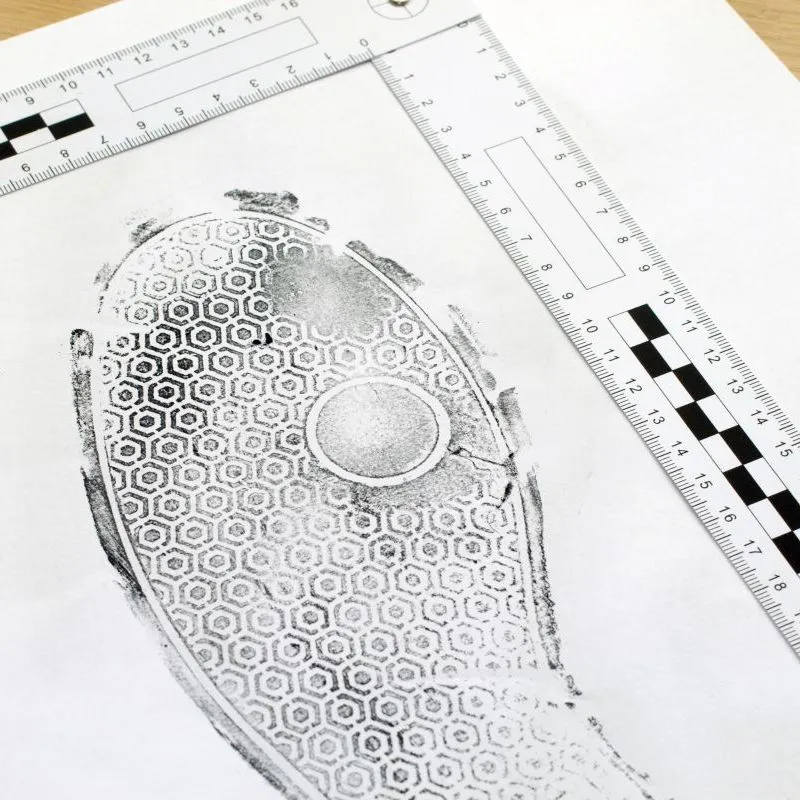




Administrative enforcement procedures play an important role in industrial design anti-counterfeiting efforts in Turkey. When counterfeit designs are identified at the application stage, design owners may file oppositions against newly published design applications before TURKPATENT.
Opposition proceedings allow the design owner to challenge applications that lack novelty or create a similar overall impression to previously registered designs. If the opposition is successful, the conflicting application may be rejected or invalidated.
Administrative enforcement provides an efficient mechanism for preventing counterfeit designs from gaining legal protection. By actively monitoring the TURKPATENT design bulletin and filing timely oppositions, businesses can reduce the risk of counterfeit designs entering the legal marketplace.
Another key element of industrial design anti-counterfeiting in Turkey involves customs enforcement. Turkish customs authorities play an active role in preventing the import and export of counterfeit goods that infringe intellectual property rights.
Design owners may record their industrial design rights with Turkish customs authorities. Once recorded, customs officials can identify suspicious shipments and detain goods suspected of infringing registered designs. Rights holders are then notified and given the opportunity to initiate legal proceedings to confirm infringement.
Customs enforcement has become particularly important as global supply chains expand and counterfeit products move across borders more easily. By combining design registration with customs recordation, businesses significantly enhance their ability to intercept counterfeit goods before they enter the Turkish market.

Civil litigation remains one of the most powerful tools available for industrial design anti-counterfeiting enforcement. Rights holders can file lawsuits before specialized intellectual property courts in Turkey to stop infringing activities and seek compensation.
Civil remedies available under industrial design law in Turkey include injunctions preventing further production or sale of counterfeit products, seizure of infringing goods, destruction of counterfeit items, and financial damages. Courts may also order the publication of judgments to inform the public and deter further infringement.
Preliminary injunctions are particularly important in anti-counterfeiting cases. Courts can issue temporary injunctions that immediately halt the sale or distribution of counterfeit products while the case proceeds. This mechanism allows rights holders to minimize market damage and protect their brand reputation.
In addition to civil remedies, industrial design anti-counterfeiting measures may involve criminal enforcement procedures. Counterfeiting activities that intentionally infringe registered design rights may constitute criminal offenses under Turkish law.
Criminal proceedings may lead to penalties including fines, imprisonment, confiscation of counterfeit goods, and closure of manufacturing facilities involved in illegal production. Criminal enforcement can serve as a powerful deterrent against organized counterfeit operations.
Criminal complaints are typically filed before public prosecutors with supporting evidence demonstrating infringement. Turkish industrial design lawyers often work closely with investigators and enforcement authorities to collect evidence and coordinate anti-counterfeiting operations.
The growth of e-commerce platforms has significantly changed the landscape of industrial design anti-counterfeiting. Online marketplaces provide counterfeit sellers with easy access to global consumers while allowing them to operate anonymously.
Design owners must therefore adopt digital enforcement strategies in addition to traditional legal actions. Monitoring online marketplaces, social media platforms, and e-commerce websites has become a critical component of anti-counterfeiting programs.
Once counterfeit listings are identified, rights holders may request removal through platform takedown procedures or initiate legal proceedings against sellers. Effective industrial design anti-counterfeiting strategies increasingly rely on combining technological monitoring tools with legal enforcement actions.

Successfully combating counterfeiting requires coordinated legal, technical, and strategic expertise. Turkish industrial design lawyers play a critical role in advising companies on protection strategies, enforcement procedures, and litigation options.
Legal professionals assist clients in registering designs, conducting industrial design monitoring, recording rights with customs authorities, preparing infringement evidence, and representing clients in civil or criminal proceedings. Strategic legal guidance allows businesses to respond quickly and effectively to counterfeiting threats.
At Legalixa Law Firm, our team combines extensive experience in intellectual property law in Turkey with deep knowledge of industrial design protection mechanisms. Our firm provides comprehensive anti-counterfeiting services tailored to the needs of international and domestic companies operating in competitive industries.
Industrial design anti-counterfeiting is most effective when approached as a long-term strategic initiative rather than a reactive measure. Companies should integrate intellectual property protection into their overall business strategy from the earliest stages of product development.
Comprehensive anti-counterfeiting programs typically include systematic industrial design registration, continuous industrial design monitoring, customs recordation, contractual protections within supply chains, and coordinated enforcement actions against infringers. By combining these elements, businesses create multiple layers of protection that make counterfeiting significantly more difficult.
Strong design protection also enhances business value by strengthening licensing opportunities, attracting investors, and reinforcing brand reputation in global markets.

Industrial design anti-counterfeiting refers to legal and strategic measures used to prevent unauthorized copying, imitation, or commercialization of protected product designs. In Turkey, these measures are supported by intellectual property law in Turkey and enforcement mechanisms under the Industrial Property Law. Businesses can rely on design registration, industrial design monitoring, customs enforcement, and litigation to stop counterfeit products.
Industrial design registration creates exclusive legal rights for the design owner. Without registration, it becomes much more difficult to prove infringement and enforce rights against counterfeit products. Registration with TURKPATENT provides the legal basis for initiating civil lawsuits, criminal complaints, and customs enforcement actions.
Industrial design monitoring enables rights holders to detect potential infringements early. By monitoring design publications, online marketplaces, and retail channels, businesses can identify counterfeit products before they spread widely in the market. Early detection allows quicker enforcement actions and minimizes financial damage.
Yes. Turkish customs authorities have the power to detain goods suspected of infringing registered industrial design rights. Rights holders may record their designs with customs authorities, allowing officials to identify and intercept counterfeit shipments entering or leaving Turkey.
Rights holders may pursue administrative actions before TURKPATENT, civil lawsuits before specialized intellectual property courts, and criminal complaints before prosecutors. These actions may result in injunctions, product seizures, destruction of counterfeit goods, financial damages, and criminal penalties.
Turkish industrial design lawyers provide comprehensive support for protecting and enforcing design rights. Their services include design registration, industrial design monitoring, legal enforcement actions, customs recordation, litigation, and strategic intellectual property consulting.
For over three decades, Legalixa has stood at the forefront of intellectual property law in Istanbul, helping hundreds of clients secure patents, trademarks, copyrights, and industrial designs with confidence.
Selcuk Akkas, Attorney at Law, Patent & Trademark Attorney & Mediator
Protecting innovative product designs requires strategic legal guidance and proactive enforcement. At Legalixa Law Firm, our experienced team provides comprehensive services covering industrial design registration, monitoring, enforcement, and litigation. With decades of experience in intellectual property law in Turkey, we assist businesses in developing effective industrial design anti-counterfeiting strategies tailored to their specific industries and markets.
If your company faces design infringement or requires assistance protecting valuable product designs, our Turkish industrial design lawyers are ready to help. We work closely with clients to detect counterfeit products, enforce design rights, and safeguard brand reputation in the Turkish and international markets. Contact Legalixa Law Firm today to discuss how we can protect your industrial designs and support your long-term intellectual property strategy.