Address:
Uskudar Icerenkoy Yolu Cad. No:21
Atasehir, Istanbul 34752
TURKIYE
Working Hours:
Monday - Friday: 9:00 - 18:30
Weekends: Closed

Address:
Uskudar Icerenkoy Yolu Cad. No:21
Atasehir, Istanbul 34752
TURKIYE
Working Hours:
Monday - Friday: 9:00 - 18:30
Weekends: Closed

Industrial design opposition plays a crucial role in protecting innovative product designs within competitive markets. Companies invest substantial resources in developing distinctive visual appearances that differentiate their products and strengthen their brand identity.
Under the framework of intellectual property law in Turkey, the industrial design opposition mechanism allows rights holders to challenge newly published design applications that may conflict with earlier rights or fail to meet legal requirements.
By using this procedure before the Turkish Patent and Trademark Office (TURKPATENT), businesses can prevent the registration of problematic designs and reinforce their industrial design protection strategies in Turkey.
For companies operating in design-driven sectors such as fashion, furniture, consumer electronics, automotive parts, packaging, and household goods, understanding the opposition process is essential. The ability to identify problematic design applications and initiate an industrial design opposition can significantly strengthen a company’s intellectual property strategy and prevent market confusion.
As experienced Turkish industrial design lawyers, Legalixa Law Firm assists clients in navigating the entire opposition procedure before TURKPATENT. Our firm provides strategic advice, prepares detailed opposition filings, and represents clients in administrative and judicial proceedings relating to industrial design enforcement and industrial design litigation in Turkey.
Table of Contents
Industrial design protection in Turkey is primarily governed by the Industrial Property Code No. 6769, which regulates trademarks, patents, industrial designs, and geographical indications. Under this legal framework, an industrial design refers to the appearance of a product or part of a product resulting from features such as lines, contours, colors, shapes, textures, or materials.
The main objective of industrial design protection is to safeguard the aesthetic aspects of products that make them visually distinctive. When properly registered, a design grants the owner exclusive rights to use, license, and enforce the design against unauthorized copies.
Within the scope of industrial design law in Turkey, a design must satisfy two main conditions to be eligible for registration: novelty and individual character. Novelty requires that no identical design has been disclosed to the public before the filing date. Individual character means that the design creates a different overall impression on an informed user compared with earlier designs.
Despite these legal requirements, it is possible for designs that conflict with existing rights or fail to meet legal criteria to proceed through the registration process. For this reason, the industrial design opposition procedure exists to allow third parties to challenge problematic applications after publication.

Industrial design opposition refers to the formal administrative procedure through which third parties may object to the registration of a design application published by TURKPATENT. The opposition mechanism serves as an important safeguard within the Turkish industrial design system, ensuring that only valid and lawful designs receive registration.
During the examination process, TURKPATENT conducts a formal review of applications but does not perform an extensive search for earlier designs. Consequently, conflicting or previously disclosed designs may sometimes be published without detection. The opposition procedure allows competitors, designers, and other stakeholders to present evidence demonstrating that a published design should not be registered.
By initiating an industrial design opposition, a party may argue that the design lacks novelty, lacks individual character, or infringes earlier rights such as trademarks, copyrighted works, or prior industrial designs.
This process plays a vital role in maintaining the integrity of industrial design protection in Turkey. It also provides businesses with a cost-effective administrative mechanism to resolve disputes before escalating to court proceedings.
The Turkish Patent and Trademark Office (TURKPATENT) is responsible for administering the opposition procedure. After an industrial design application passes the formal examination stage, it is published in the official bulletin. This publication marks the beginning of the opposition period.
Interested parties who believe that the published design conflicts with their rights may file an industrial design opposition within the prescribed deadline. TURKPATENT then evaluates the arguments and evidence presented by both parties before issuing a decision.
If the opposition is accepted, the design application may be partially or fully rejected. If the opposition is dismissed, the design proceeds to registration unless further legal actions are initiated.
One of the most common grounds for industrial design opposition is the lack of novelty or individual character. If a design identical or substantially similar to the contested design was disclosed before the filing date, the application may be challenged.
Opponents often present evidence such as earlier design registrations, catalogues, online publications, product images, or trade fair displays demonstrating prior disclosure. Establishing that a design is not new or does not create a different overall impression can be sufficient to invalidate the application.
Another key ground for opposition arises when the design infringes earlier intellectual property rights. For example, a design may incorporate elements protected by a registered trademark, copyrighted artwork, or an earlier industrial design registration.
Under intellectual property law in Turkey, the owner of earlier rights has the ability to prevent later designs from being registered if they conflict with their protected assets. This aspect of industrial design opposition strengthens overall industrial design protection and prevents unfair competition.
Certain design applications may improperly incorporate official symbols, cultural elements, or protected public emblems. Turkish law prohibits the registration of designs that misuse national symbols or violate public order.
In such cases, an opposition may be filed to prevent registration of designs that could mislead consumers or misuse culturally significant imagery.
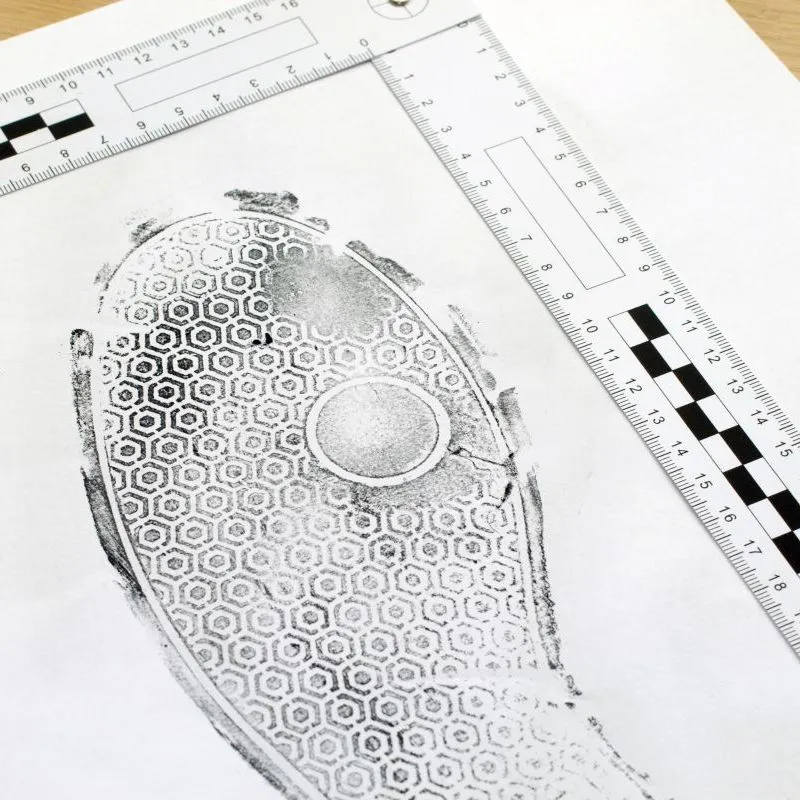




The opposition process begins after TURKPATENT publishes a design application in the official industrial design bulletin. Publication allows the public and industry stakeholders to review newly filed designs and evaluate whether they conflict with existing rights.
Monitoring design publications is therefore a crucial element of effective IP portfolio management. Companies often rely on professional monitoring services to identify potentially conflicting design applications in a timely manner.
Once a conflicting design is identified, the opponent must file a formal industrial design opposition within the legal deadline of three months from publication.
The opposition submission must include a clear explanation of the legal grounds, supporting evidence demonstrating prior rights or lack of novelty, and payment of the applicable official fees.
At this stage, experienced Turkish industrial design lawyers play an essential role in preparing persuasive legal arguments and organizing documentary evidence. A well-structured opposition significantly increases the likelihood of success.
After receiving the opposition, TURKPATENT evaluates the claims and provides the design applicant with an opportunity to respond. Both parties may submit additional evidence and arguments during the review process.
The office then issues a written decision determining whether the design application should be rejected, partially rejected, or allowed to proceed to registration.
In many cases, the decision of TURKPATENT resolves the dispute at the administrative level. However, if either party disagrees with the outcome, further appeals or litigation may be pursued.
Industrial design opposition serves as a powerful tool for preventing unauthorized copying and market confusion. When competitors attempt to register designs that closely resemble existing products, an opposition can effectively block the registration before it becomes legally enforceable.
This preventive mechanism supports fair competition and encourages innovation within design-driven industries.
A comprehensive intellectual property strategy involves both proactive registration and defensive enforcement measures. Industrial design opposition forms an essential part of industrial design enforcement, allowing businesses to actively defend their design portfolios.
Companies that consistently monitor design publications and file oppositions when necessary can maintain stronger control over their brand identity and product aesthetics.
By removing conflicting designs from the register, the opposition procedure contributes to the overall reliability of the industrial design system. A clean and accurate register helps ensure that valid design rights receive effective legal protection.
For businesses investing heavily in product design, maintaining strong industrial design protection is critical for preserving competitive advantage and commercial value.
While the opposition process is administrative in nature, disputes over design rights sometimes escalate into court proceedings. When conflicts remain unresolved after the TURKPATENT decision, parties may initiate judicial review or pursue infringement claims.
If a contested design proceeds to registration despite an opposition, the opposing party may file a cancellation action before the specialized intellectual property courts in Turkey. These courts have jurisdiction over industrial design litigation and other IP-related disputes.
Litigation may also arise when a registered design is used in the marketplace in a manner that infringes earlier rights. In such cases, design owners may pursue legal remedies including injunctions, damages, and seizure of infringing products.

Industrial design litigation often involves complex technical and legal issues. Courts evaluate detailed visual comparisons between designs and consider expert opinions regarding novelty and individual character.
Experienced Turkish industrial design lawyers are essential in presenting persuasive legal arguments, managing evidence, and representing clients throughout judicial proceedings.
At Legalixa Law Firm, our attorneys combine extensive knowledge of industrial design law in Turkey with practical litigation experience. We assist clients in enforcing their design rights through both administrative and judicial mechanisms.

Effective intellectual property management requires ongoing monitoring of new industrial design applications. Companies that fail to monitor design publications risk allowing conflicting designs to become registered, which may weaken their legal position in the future.
Professional monitoring services allow businesses to detect potential conflicts early and initiate industrial design opposition within the legal timeframe. Early action often prevents more costly disputes and supports stronger enforcement strategies.
Design owners should also maintain clear documentation of their product development processes, marketing materials, and prior design disclosures. Such evidence can prove invaluable when challenging later design applications.
Legalixa Law Firm has been providing comprehensive intellectual property services in Istanbul since 1992. Our firm advises domestic and international clients on all aspects of industrial design law in Turkey, including registration, portfolio management, enforcement, and dispute resolution.
Our team of Turkish industrial design lawyers assists clients in preparing strong industrial design opposition filings supported by detailed legal arguments and evidence. We also provide ongoing monitoring services that allow clients to detect conflicting design applications promptly.
In addition to administrative proceedings before TURKPATENT, our firm represents clients in complex industrial design litigation before Turkish courts. By combining strategic legal advice with practical enforcement experience, we help clients maintain robust industrial design protection in highly competitive markets.

Industrial design opposition is the administrative procedure that allows third parties to challenge a published design application before TURKPATENT. The opposition may be based on grounds such as lack of novelty, lack of individual character, or conflicts with earlier intellectual property rights. Through this process, businesses can prevent the registration of designs that could infringe their existing rights or weaken their industrial design protection.
Any individual or company with a legitimate interest may file an industrial design opposition. This typically includes owners of earlier design registrations, trademark owners, copyright holders, or businesses that have previously disclosed similar designs. Turkish industrial design lawyers often represent clients during this process to ensure that the opposition is properly structured and supported by sufficient evidence.
The opposition must generally be filed within three months from the publication of the design application in the TURKPATENT bulletin. Missing this deadline may prevent the opposing party from challenging the application at the administrative stage. In such cases, disputes may need to be resolved through industrial design litigation before the specialized intellectual property courts in Turkey.
Evidence may include earlier industrial design registrations, photographs of previously disclosed designs, catalogues, marketing materials, online publications, or documentation showing prior use. The goal is to demonstrate that the contested design lacks novelty or conflicts with earlier rights under industrial design law in Turkey.
Yes. If a party disagrees with the decision issued by TURKPATENT, they may challenge the decision before the competent intellectual property courts. These judicial proceedings fall within the scope of industrial design litigation and may involve detailed technical analysis of the designs involved.
Industrial design opposition is a proactive enforcement mechanism that allows rights holders to stop problematic design registrations before they enter the market. By blocking conflicting applications early, businesses strengthen their industrial design enforcement strategy and reduce the risk of costly legal disputes in the future.
For over three decades, Legalixa has stood at the forefront of intellectual property law in Istanbul, helping hundreds of clients secure patents, trademarks, copyrights, and industrial designs with confidence.
Selcuk Akkas, Attorney at Law, Patent & Trademark Attorney & Mediator
Protecting innovative product designs requires a proactive legal strategy and a thorough understanding of intellectual property law in Turkey. Industrial design opposition provides an essential mechanism for preventing the registration of conflicting designs and safeguarding valuable intellectual property assets.
Companies that actively monitor design publications and challenge problematic applications can significantly strengthen their industrial design protection and maintain a competitive advantage in the marketplace.
Legalixa Law Firm, based in Istanbul, offers comprehensive legal services relating to industrial design law in Turkey. Our experienced Turkish industrial design lawyers assist clients with design registration, opposition proceedings, industrial design enforcement, and complex industrial design litigation. If you require legal assistance regarding industrial design opposition or any other design-related matter, we invite you to contact our team for professional guidance and strategic legal support.