Address:
Uskudar Icerenkoy Yolu Cad. No:21
Atasehir, Istanbul 34752
TURKIYE
Working Hours:
Monday - Friday: 9:00 - 18:30
Weekends: Closed

Address:
Uskudar Icerenkoy Yolu Cad. No:21
Atasehir, Istanbul 34752
TURKIYE
Working Hours:
Monday - Friday: 9:00 - 18:30
Weekends: Closed

Istanbul, a city where East meets West, continues to be a magnet for tourists, with over 18 million international visitors in 2024 alone. This booming tourism industry presents an incredible opportunity for property owners looking to capitalize on the short-term rental market by obtaining an Airbnb license in Istanbul, Turkey.
However, navigating the legal landscape of Airbnb and similar platforms in Turkey requires careful attention to new regulations. As Legalixa Law Firm, a leading legal services provider in Istanbul since 1992, we’re here to guide you through the intricate process of obtaining your Airbnb license in 2026, ensuring your venture is both profitable and compliant.
Table of Contents
The Turkish government has progressively implemented stricter regulations for short-term rentals, particularly with the introduction of Law No. 7464, which came into effect on January 1, 2024. These measures aim to formalize the market, protect residential areas, and ensure a higher standard of service for tourists. For prospective Airbnb hosts, understanding and adhering to these updated laws is not merely a recommendation but a legal imperative to avoid substantial fines and potential property closure.
The short-term rental market in Istanbul has experienced significant regulatory changes, making it crucial for property owners to understand the legal requirements before listing their properties on platforms like Airbnb. With Turkey’s new “Airbnb Law” (Law No. 7464) in full effect since November 2, 2023, property owners must navigate complex licensing requirements to operate legally in Istanbul’s competitive rental market.
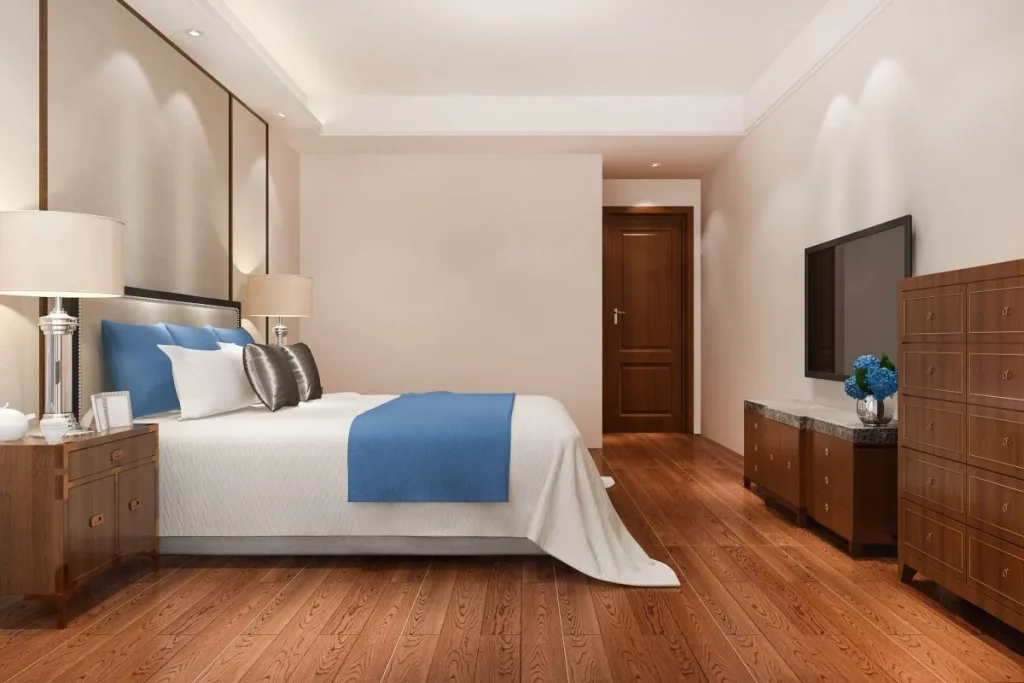
Law No. 7464 sets the legal framework for these rentals, fundamentally changing how property owners can operate short-term rentals in Istanbul. This comprehensive legislation introduces mandatory permit requirements, strict operational limits, and enhanced tax obligations for all property owners seeking to rent their properties for tourism purposes.
The new regulations aim to balance the growing tourism industry with the need to preserve residential neighborhoods and ensure fair taxation. Property owners who fail to comply with these requirements face significant penalties, including fines and potential criminal charges.
Property owners are restricted to renting out their properties for a maximum of 100 days annually for short-term tourism purposes. This limitation is central to Turkey’s approach to regulating short-term rentals and applies to all residential properties used for tourism accommodation.
The 100-day limit serves multiple purposes: it prevents the complete conversion of residential areas into tourist zones, maintains housing availability for local residents, and ensures that short-term rental activities remain supplementary rather than primary business operations.
Operating a short-term rental property in Turkey without the appropriate “Tourism Rental Permit” is now considered illegal. The Ministry of Culture and Tourism is the primary authority responsible for issuing these permits.
Ignoring this crucial requirement can lead to severe penalties, including administrative fines starting from 100,000 TRY (approximately $2,500 USD) and escalating with repeated violations, ultimately leading to the closure of your property. Furthermore, unregistered properties may face scrutiny from tax authorities, resulting in retroactive taxation, penalties, and even legal enforcement proceedings.
Beyond legal compliance, obtaining a license provides a layer of legitimacy and trust for your guests. Licensed properties are required to display a tourism rental plaque, offering assurance that your listing meets official standards. This not only attracts more guests but also enhances the overall reputation of Istanbul’s short-term rental market.

The process of securing a Tourism Rental Permit involves several crucial steps and meeting specific criteria. Here’s a comprehensive breakdown of what you’ll need to do:
The initial step for all applicants, whether individuals or legal entities, is to submit an application through the e-Devlet (Turkish e-Government) portal. This centralized online system streamlines the application process and is a prerequisite for all subsequent stages.
The documents required will vary slightly depending on your legal status:
For Individuals (Real Persons):
For Legal Entities (Companies):
Universal Documentation (for both individuals and legal entities):
To maintain your Airbnb license, your residence must adhere to specific physical and operational qualifications. These are designed to ensure guest comfort and safety:





Turkish law defines short-term rentals as accommodations rented out for tourist purposes for a maximum of 100 days at a time. The law also prohibits renting the same property more than four times a year if the rental periods exceed 100 days in total. This measure prevents circumvention of the 100-day limit through consecutive long-term leases disguised as short-term rentals.
All accommodation providers in Turkey are legally obligated to register guest identity information with the police through the Accommodation Information System (KBS). This includes collecting full names, identification numbers (such as passport or national ID numbers), and dates of stay for each guest. This is a critical security measure and a mandatory requirement for all licensed short-term rentals.
As an Airbnb host in Turkey, you will be classified as self-employed and are subject to various tax responsibilities. This includes:
Foreign property owners should also be aware of Double Taxation Treaties (DTTs) that Turkey has signed with over 80 countries. These treaties can help prevent double taxation on rental income by allowing tax credits or exemptions in your home country. For detailed advice on your specific tax liabilities, consulting with a Turkish tax expert is highly recommended.

The process of obtaining an Airbnb license can be complex, particularly with the evolving legal framework and the nuances of unanimous consent requirements in apartment buildings. Here are some common challenges and how professional legal assistance can be invaluable:
At Legalixa Law Firm, our team of expert Turkish real estate lawyers has extensive experience in Turkish real estate law and a deep understanding of the short-term rental market.
We offer tailored legal solutions to ensure a seamless and compliant process for obtaining your Airbnb license. From assisting with document preparation and application submission to navigating complex condominium agreements and advising on tax implications, we are committed to empowering your short-term rental ventures in Istanbul.
For more information on general Turkish property law and our broader real estate legal services, please visit our page on Turkish Real Estate Lawyers. Additionally, if you encounter any issues related to rental disputes or evictions, our expertise in Eviction Due to Need in Turkey can be invaluable.

Yes, foreigners can apply for an Airbnb license, provided they meet all legal requirements, including property ownership, tax registration, and compliance with local regulations.
Yes, for properties in apartment buildings, unanimous written consent from all co-owners is required. Without this, the Ministry will not issue a permit.
Short-term rentals are limited to 100 days per year per property. Rentals exceeding 100 days are considered long-term and are not subject to the same regulations.
Fines start at 100,000 TRY per property and can escalate to 1,000,000 TRY for repeated violations, with additional legal consequences possible.
Yes, all rental income is subject to Turkish tax laws. Hosts must register for the Accommodation Service Tax, file VAT and income tax returns, and may need to use the e-Fatura system if their turnover exceeds the threshold.
The process typically takes 4–8 weeks, depending on the completeness of your documentation and the responsiveness of the authorities.
Yes, but if you own more than five units in a single building, you must register a company and obtain a business license.
Legalixa Law Firm has been a leader in Turkish real estate law since 1992, providing expert legal services for property transactions, rental agreements, and regulatory compliance in Istanbul. Our team offers:
For more information, visit our Complete Legal Guide for Turkish Real Estate Law in 2026 or contact our Istanbul Real Estate Lawyers for a consultation.
For over three decades, Legalixa has been Istanbul’s trusted leader in real estate law, providing clients with expert legal guidance across all property matters.
Selcuk Akkas, Attorney at Law, Patent & Trademark Attorney & Mediator
If you are considering starting an Airbnb business or need assistance with short-term rental licensing, property law, or compliance in Istanbul, Legalixa Law Firm is here to help.
Our experienced team of Turkish real estate lawyers will guide you through every step of the process, ensuring your Airbnb venture is fully legal and profitable. Reach out today for a personalized consultation and let us help you navigate the complexities of Turkish real estate and rental regulations.
For comprehensive guidance on obtaining your Airbnb license in Istanbul, Turkey, and ensuring full compliance with all short-term rental regulations, tax obligations, and condominium consent requirements, contact Legalixa Law Firm today. Our experienced team of Turkish lawyers is ready to provide you with expert legal assistance.